Best Flooring for Living Room Cost: The 2026 Value Guide
Choosing the right living room floor in 2026 isn’t just about picking a color you like. It is about balancing material cost with traffic, sunlight, furniture loads, comfort, maintenance, installation, and the expected service needs of the room.
Material price alone does not show how a floor will perform. Sun exposure, furniture loads, wear layer, core construction, substrate, maintenance, and product specifications can all affect appearance and service life.
This guide is designed to help you compare living room flooring options by cost, use conditions, and product specifications while keeping your flooring installation budget in view.
Table of Contents
Living Room Flooring: Quick Answer by Budget and Use
Quick answer: There is no single best living room flooring material for every home. Compare the installed price with comfort, cleaning, pets, sunlight, furniture loads, repairability, and the product warranty.
- Lower upfront cost: compare carpet, laminate, and entry-to-midrange LVP, then include removal, preparation, trim, waste, and furniture handling. See our budget flooring options.
- Pets and heavy traffic: compare scratch and indentation resistance, traction, water-exposure limits, repair options, and warranty terms. Our pet-friendly flooring guide covers those trade-offs.
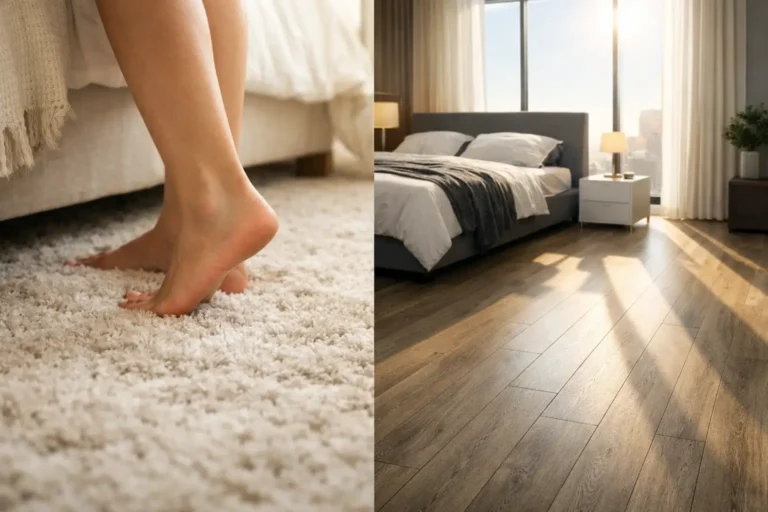
- Laminate or carpet in a living room: carpet generally offers more softness and sound absorption, while laminate provides a hard, wipeable surface. The better fit depends on traffic, pets, allergy concerns, moisture exposure, comfort, and cleaning preferences.
- Wood appearance and repair potential: engineered wood may offer a real-wood surface and, depending on the wear layer, some refinishing potential, but it usually carries a higher upfront cost than many carpet, laminate, or LVP options.
Living Room Cost Comparison (Materials + Labor)
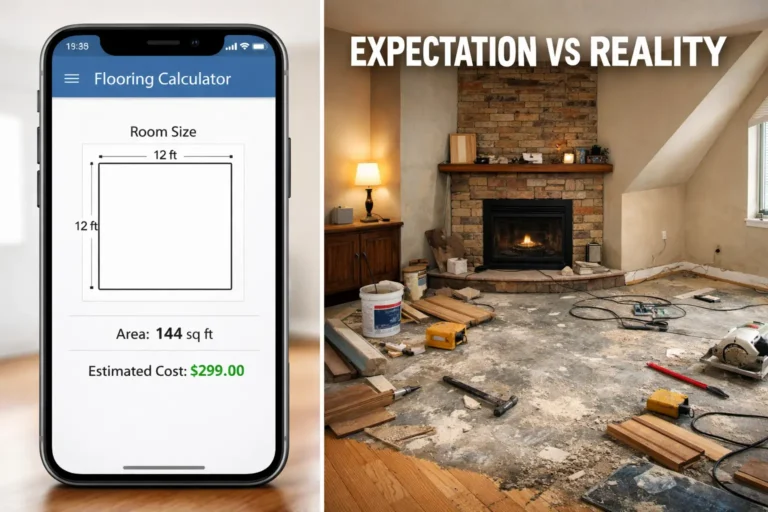
Living-room flooring cost can include material, labor, preparation, removal, trim, transitions, delivery, waste, and other project-specific items; the material-to-labor split is not universal. To understand why labor varies, read our Flooring Cost Factors Guide.
| Material Type | Material Cost (sq ft) | Installed Cost (sq ft) | Lifespan |
|---|---|---|---|
| Luxury Vinyl Plank (LVP) | $3.50 – $6.50 | $7.00 – $12.00 | 15-20 Years |
| Laminate (Waterproof) | $3.00 – $5.50 | $6.50 – $11.00 | 10-15 Years |
| Engineered Hardwood | $7.00 – $14.00 | $13.00 – $22.00 | 30-50 Years |
| Broadloom Carpet | $2.50 – $5.00 | $5.00 – $9.00 | 5-8 Years |
Furniture Loads and LVP Core Performance
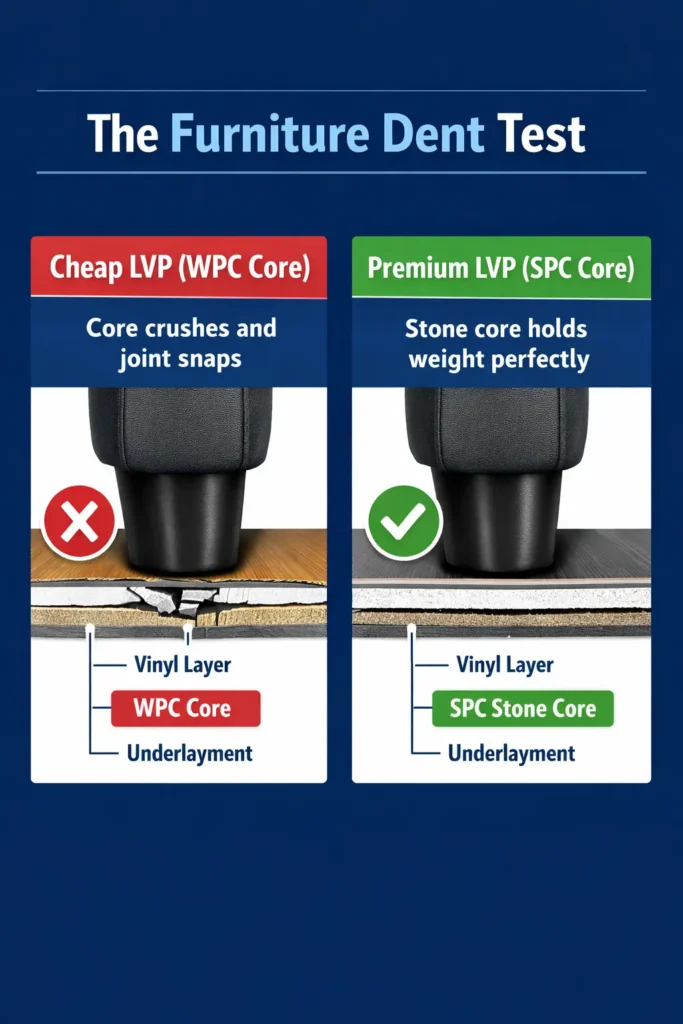
When comparing the most durable living room flooring, Luxury Vinyl Plank (LVP) is one option, but performance varies by product. Rigid and flexible vinyl constructions differ in core density, wear surface, backing, thickness, and intended use, so price alone does not determine dent resistance.
- Most modern living rooms feature heavy sectional sofas or massive entertainment centers. Concentrated furniture loads can dent or stress some resilient floors. Risk depends on furniture feet, load distribution, product construction, substrate, temperature, and manufacturer load guidance; protective cups or pads may be appropriate.
- For rooms with heavy furniture, compare SPC (Stone Plastic Composite) vinyl specifications such as core construction, total thickness, wear layer, indentation resistance, and manufacturer guidance rather than assuming a universal 5mm minimum or a 20-mil wear layer. No single thickness or wear-layer number guarantees service life.
Using an Area Rug in the Living Room Budget
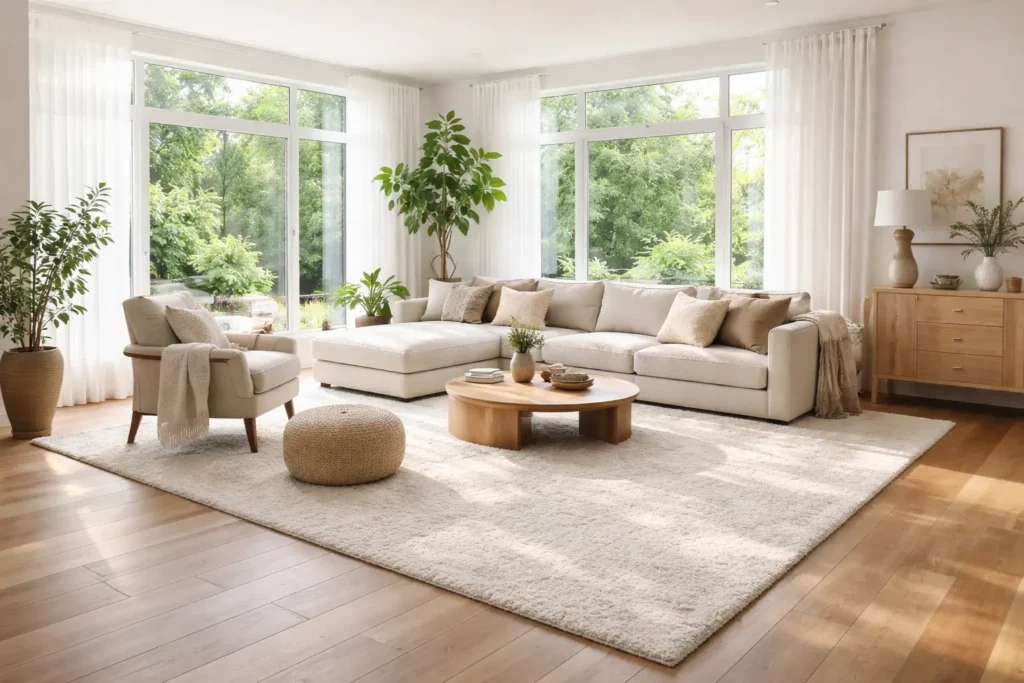
An area rug can be one way to combine a lower-cost hard floor with a softer surface in selected parts of the room.
If you are comparing lower-cost living room flooring, one approach is to pair a modestly priced hard floor with an appropriately sized area rug. Compare the installed floor cost plus the rug and pad against alternative materials rather than assuming a fixed saving. Any savings depend on the actual flooring, rug, labor, preparation, and room size.
- An area rug can add softness, reduce footfall noise, and protect selected traffic zones. It does not change the flooring warranty or underlying performance, and the rug or pad should be compatible with the flooring finish.
- Whether a budget floor plus rug is preferable to a mid-range floor depends on appearance, maintenance, acoustics, comfort, traffic, rug safety, and long-term replacement plans.
Sunlight and Heat Exposure in Bright Living Rooms
Does your living room have floor-to-ceiling windows?
If you live in Australia or the sunnier parts of the US, you need to be very careful when installing luxury vinyl plank flooring in the living room. UV and heat resistance vary by LVP product. Prolonged direct sunlight can contribute to fading, discoloration, expansion, or other changes, so review the manufacturer’s sunlight and temperature limits and consider window treatments where appropriate.
- For sun-drenched rooms, Laminate or Engineered Hardwood may also be worth comparing, but sunlight and heat performance varies within every material category. Do not assume a universal 85°F failure threshold; follow the product’s stated temperature, expansion, and installation limits.
Engineered Wood vs. LVP: Cost and Resale Considerations
When people ask, “Does carpet or vinyl add more value to a living room?” There is no universal answer.
Flooring can influence buyer perception, but appraisal and resale effects vary by market, home, condition, design, installation quality, and buyer preference; no single flooring category guarantees an increase in appraised value. The engineered wood vs. LVP living room cost comparison may show higher wood pricing in some examples, but actual cost differences vary by product and scope, and resale value should not be assumed to produce a fixed investment return.
Open-Concept Flooring and Visual Continuity
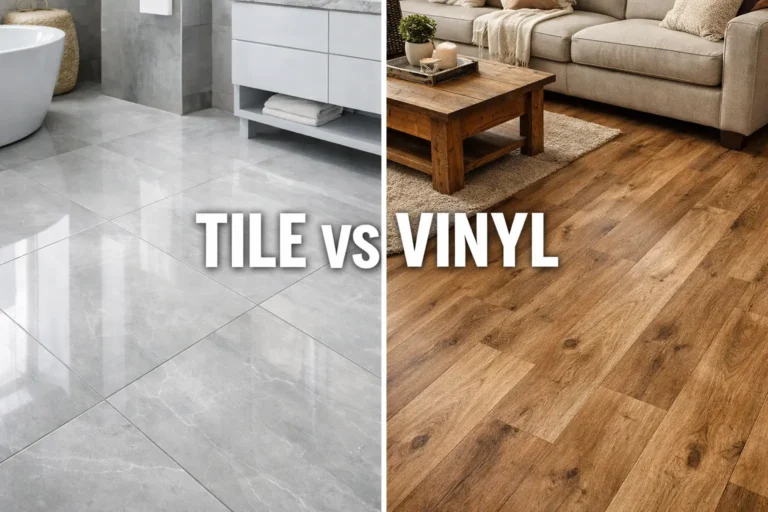
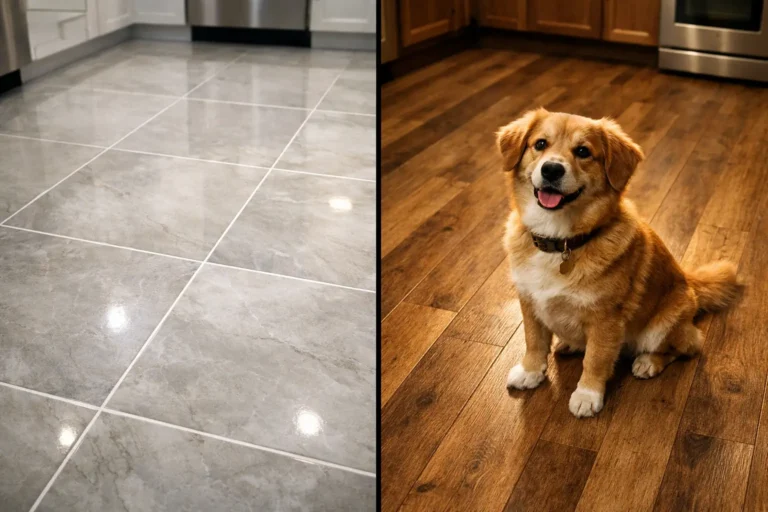
Many open-plan homes connect the living room with the kitchen. Using tile in the kitchen and a different material in the living room can create a visible transition, but mixed flooring may still be appropriate when the rooms have different water, comfort, durability, or design requirements.
The transition can be visually noticeable, which some homeowners prefer and others do not.
A continuous material can create visual continuity, but mixed flooring can also be appropriate when rooms have different water, durability, comfort, or design requirements. Do not assume a continuous floor changes the apparent room size by a fixed amount.
FAQs
What is the most affordable flooring for a living room?
Carpet, laminate, and some LVP products can have lower upfront installed costs than engineered hardwood, but the cheapest option varies by product, room preparation, labor, removal, trim, and local pricing. Compare complete installed quotes rather than material price alone.
What is the longest-lasting flooring for a high-traffic living room?
Porcelain tile and some wood floors can remain serviceable for decades when the product, substrate, installation, and maintenance are suitable, but lifespan varies widely. Compare laminate, LVP, engineered wood, carpet, and tile by product specifications and expected room conditions rather than a single lifespan claim.
How much does it cost to install flooring in a 400 sq ft living room?
Using the planning ranges in the table above, a 400 sq ft living room may be roughly $2,000 to $4,800 for carpet, laminate, or LVP installation before project-specific extras. Removal, subfloor preparation, furniture moving, trim, transitions, waste, delivery, and local labor can change the final quote. Review our hidden flooring costs guide before budgeting.
Is hardwood floor refinishing worth it?
Refinishing can be worth comparing with replacement when the existing hardwood is structurally sound and has enough usable surface for the proposed work. Feasibility and cost depend on the floor type, remaining wear layer, damage, finish system, room condition, and local labor.
What is the best floor for pets in the living room?
There is no single best pet flooring for every living room. Compare scratch and indentation resistance, traction, water-exposure limits, cleaning, repairability, and warranty terms. Laminate, LVP, tile, and engineered wood can fit different priorities.
Conclusion
Choose for the conditions in your own room rather than showroom appearance alone. Pets, children, sunlight, furniture loads, cleaning, product construction, finish, and maintenance can affect any flooring material, but damage should not be predicted on a fixed six-month or three-year timeline.
How to Choose
- If you have kids and big dogs: Go with a waterproof, high-AC-rated Laminate.
- If resale value matters to you: Invest in Engineered White Oak.
- If you are on a strict budget: Get a 20-mil SPC Vinyl and use the Rug Factor.
For the latest labor rates and material standards in 2026, check out the National Wood Flooring Association (NWFA).